“I Left Crying”: The Unspoken Trauma Journalists Carry After the Story
For journalists, the story does not always end when the camera stops recording.
Sometimes, it follows them home.
Sometimes, it stays in their bodies. And sometimes, years after an assignment is over, the memories remain.

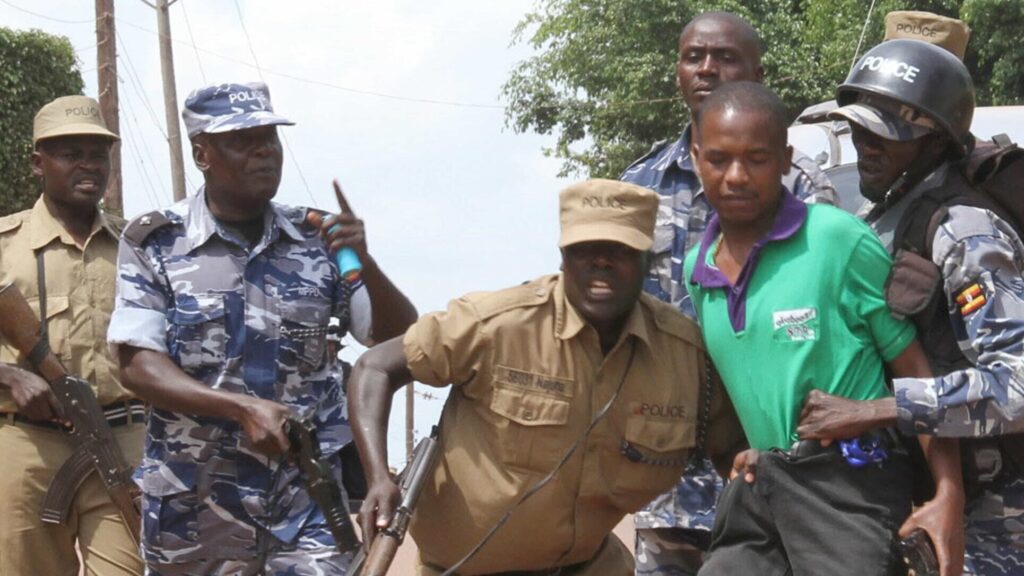
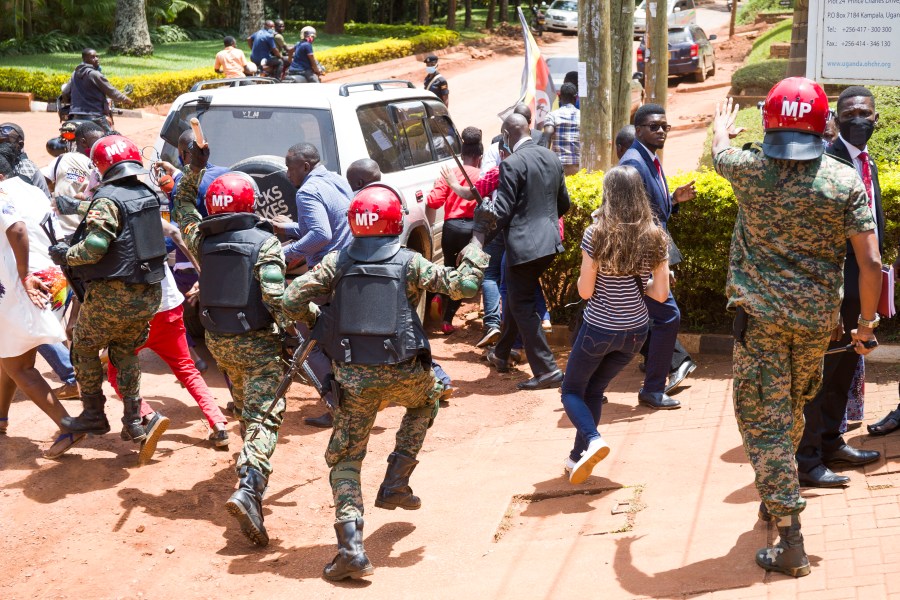
For Ugandan journalist Josephine Namakumbi, one such memory began on February 17, 2021. She had gone to Kololo, Kampala, to cover the delivery of a petition to the United Nations Human Rights office. What began as another assignment quickly turned into a violent encounter with security forces.
Journalists at the scene were blocked from accessing the premises. Soon after, military police descended on them. Josephine was among those assaulted. She was beaten on her back with a baton as security forces dispersed the journalists. Other journalists were also injured, some sustaining cuts and bruises.
But the physical injuries were only part of the story.
When the Assignment Becomes Trauma
Journalists are often trained to remain calm in difficult situations. They are expected to ask questions, document events, and get the story out even when the environment around them becomes dangerous. What happens after they leave the scene is rarely discussed. Josephine’s experience reveals that the impact of a traumatic assignment does not necessarily disappear once the immediate danger has passed. A journalist can leave the field physically, yet continue carrying the experience emotionally.
The fear. The anger.
The helplessness.
The memories.
And sometimes, the question; Why did this happen to me simply because I was doing my job?
The part of the story nobody sees
When journalists are attacked, public attention often focuses on the visible injuries. There are photographs of bruises. There are reports of broken equipment. There are statements condemning the attacks. But there is another wound that is much harder to photograph. “Trauma!”
The Federation of African Journalists said journalists injured during the February 2021 incident also experienced psychological trauma. Yet mental health support for journalists remains an often-overlooked part of newsroom safety. A journalist may return to work the next morning and be expected to cover another story.
The newsroom moves on. The news cycle moves on.
But the journalist may not have moved on.
“You have to be strong.”
There is an unspoken culture in journalism that rewards resilience. You survive a dangerous assignment, file your story and move to the next one. You witness death, violence or human suffering and are expected to remain professional.
You are threatened? Keep working.
You are attacked? Get the story.
You are traumatised?
There may be little time or support to process it.
For many journalists, asking for psychological help can feel like admitting weakness in a profession that constantly demands toughness but surviving trauma is not the same as processing it.
Beyond the byline
Josephine’s story is therefore bigger than one incident. It raises an uncomfortable question for newsrooms:
Who takes care of the journalist after the journalist takes care of the story?
Physical safety equipment, security briefings, emergency contacts, and first-aid training are important, but journalist safety cannot stop at physical protection. Mental and emotional safety must be part of the conversation too.
Newsrooms need systems that allow journalists to access professional psychosocial support after traumatic assignments not only when they are visibly struggling but also as part of routine—post-assignment care. A journalist should not have to break down before someone asks if they are okay.
The story after the story
Josephine’s experience reminds us that some of the most difficult stories journalists tell are the ones they carry silently.
The public sees the footage.
They read the headline.
They watch the interview.
Then they move on.
The journalist goes home with the memory.
And sometimes, the story keeps playing long after the cameras are switched off.
For Ukweli Africa, protecting journalists means looking beyond whether they made it safely out of the field.
It means asking what happens to them afterwards. Because no story is worth losing yourself over.
And if journalism is built on telling the stories of others, then the people behind those stories deserve to have their own safety, well-being, and humanity protected too.