
The Silent Engine: Reflections of Williams Kato on Two Decades of Journalism.
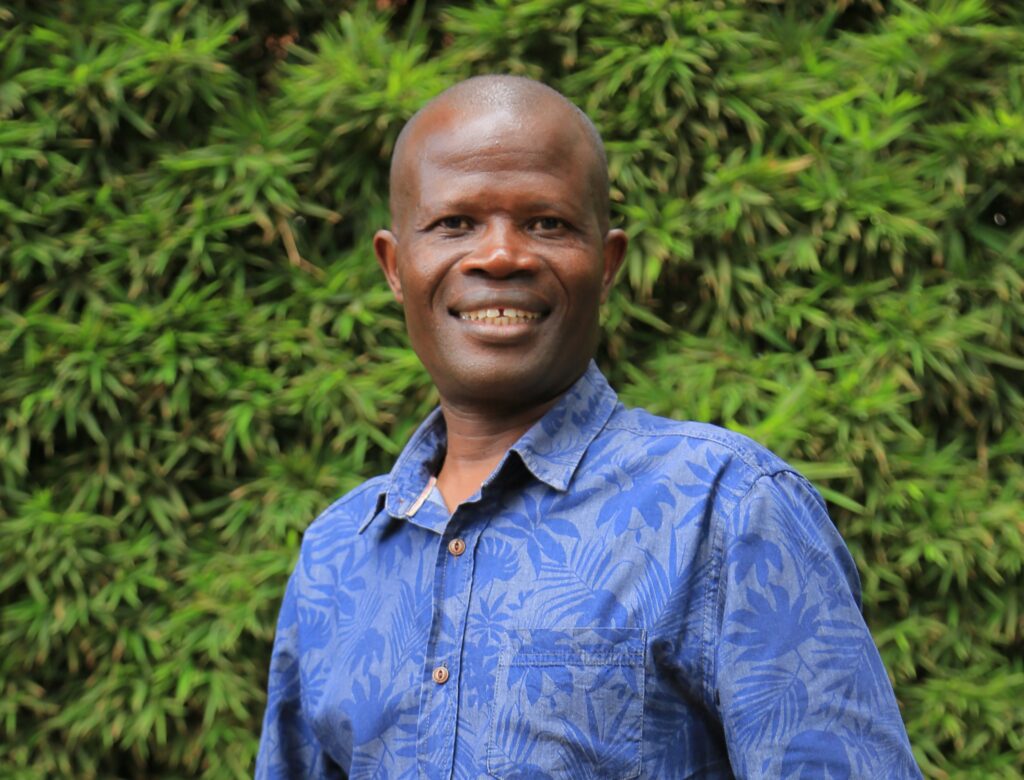
For nearly two decades, Williams Kato served as the backbone of NTV Uganda’s newsroom, masterminding influential bulletins like Akawungeezi and NTV Ku Saawa Emu. In a candid conversation on The Newsroom, Kato pulls back the curtain on the life of an editor, the evolving pressures of the media industry, and the lessons learned from a lifetime of shaping the national narrative.
A Career Built on Operations and Mentorship
Kato’s journey began with a focus on results, eventually leading him to manage the newsroom’s operational core. Rather than pursuing individual glory, he focused on building teams, mentoring talent, and ensuring that news gathering remained accurate, ethical, and impact-driven. A notable highlight of his tenure was his decision to second Maurice Mugisha for a leadership position, a move that defied traditional hierarchy in favor of identifying the best person for the role.
Navigating Crisis and Mental Health
Reflecting on the challenges of the field, Kato recounted the trauma of covering volatile stories, such as the Masaka fuel truck fire. He emphasized the historical lack of support for journalists’ mental health, noting that in his early career, reporters often had to internalize the trauma of what they witnessed. Throughout his time at NTV, he prioritized the safety and well-being of his team, regularly checking in on them during election periods and volatile field assignments to ensure they were fed, safe, and supported.
The Changing Landscape of Ugandan Media
Kato addressed the shifting relationship between the media and authorities, noting that the partnership-based reporting of the past has increasingly turned into a hostile environment. He also critiqued the current state of industry compensation, arguing that low wages and the lack of proper contracts undermine journalistic integrity and contribute to the rise of corrupt practices.
Life After the Newsroom: A New Chapter
Two years into his retirement, Kato is finding joy in personal projects and training young journalists. His advice to young journalists is clear: develop a ‘thick skin’; cultivate multiple skills, such as social media, editing, and camera work; and always plan for a life beyond the newsroom.
Williams Kato’s story serves as a testament to the resilience required in journalism and the importance of leadership that values people as much as the final product.
Written by the Ukweli Team.