Ukweli Africa and CIPESA Partner to Organize a Digital Security Clinic for Journalists
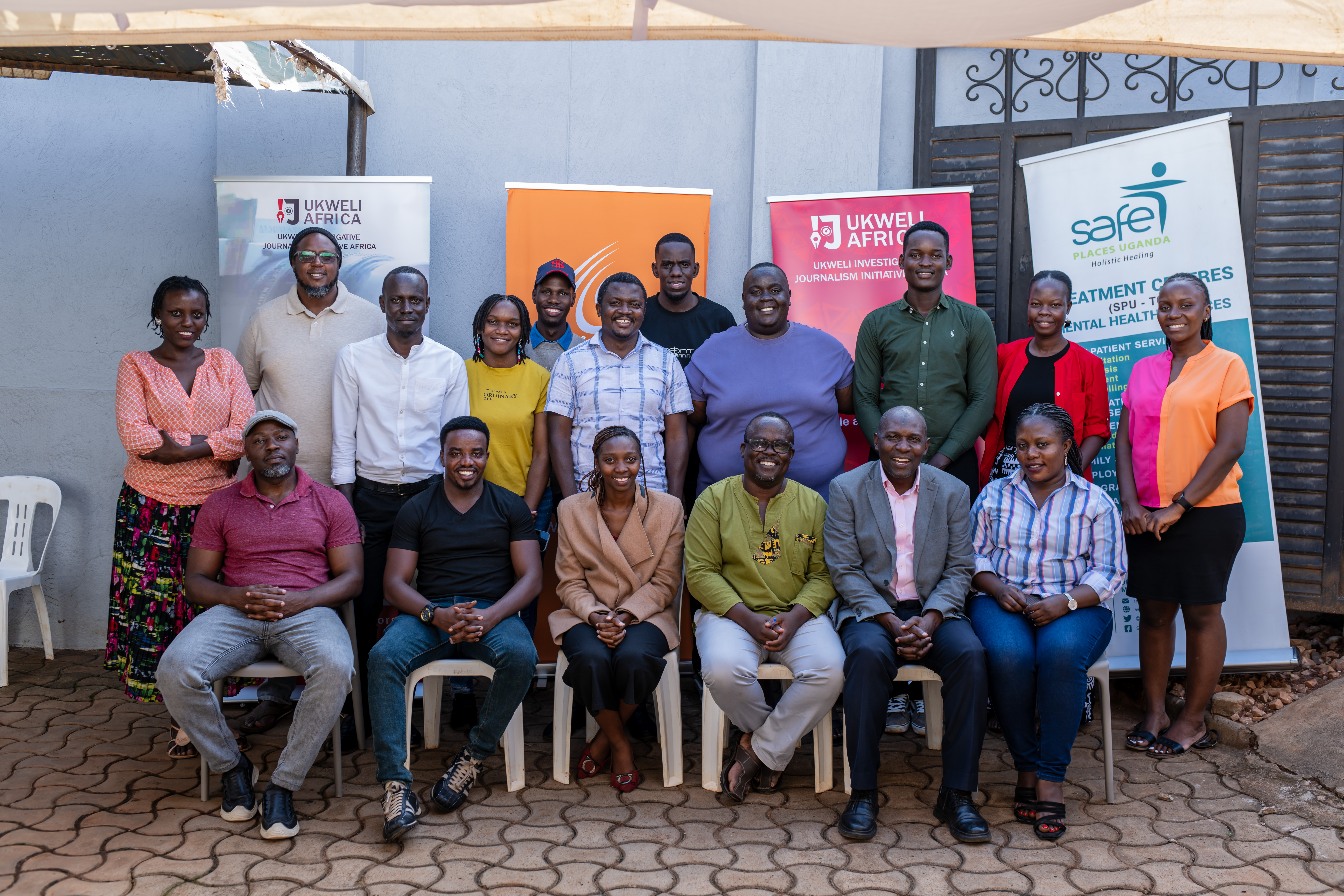
On Tuesday, 16th December 2025, Ukweli Africa, in partnership with CIPESA Uganda, concluded a two-day Digital Security Clinic for journalists, aimed at strengthening reporters’ digital safety in an increasingly hostile media environment marked by rising surveillance and digital threats.
The Digital Security Clinic began on Monday, 15th December, and brought together journalists from different newsrooms and beats for hands-on, practical training focused on protecting their devices, communications, and digital workflows. As journalists continue to face surveillance, data breaches, harassment, and online attacks, digital safety has become a critical part of journalist protection.
“In a media environment where surveillance and digital threats are rising, this Digital Security Clinic has equipped me to better protect my gadgets and my work. It’s an experience I will always remember and is really important in my line of work,” said Zam Nakityo, freelance journalist.
Another journalist, Opira Victor, an online journalist with Jumiiya Media, said, “Thanks to Ukweli Africa and CIPESA. I now have access to free VPNs that make my communications more secure. I’ve also learned which passwords to use for different devices and the importance of having a password manager.”
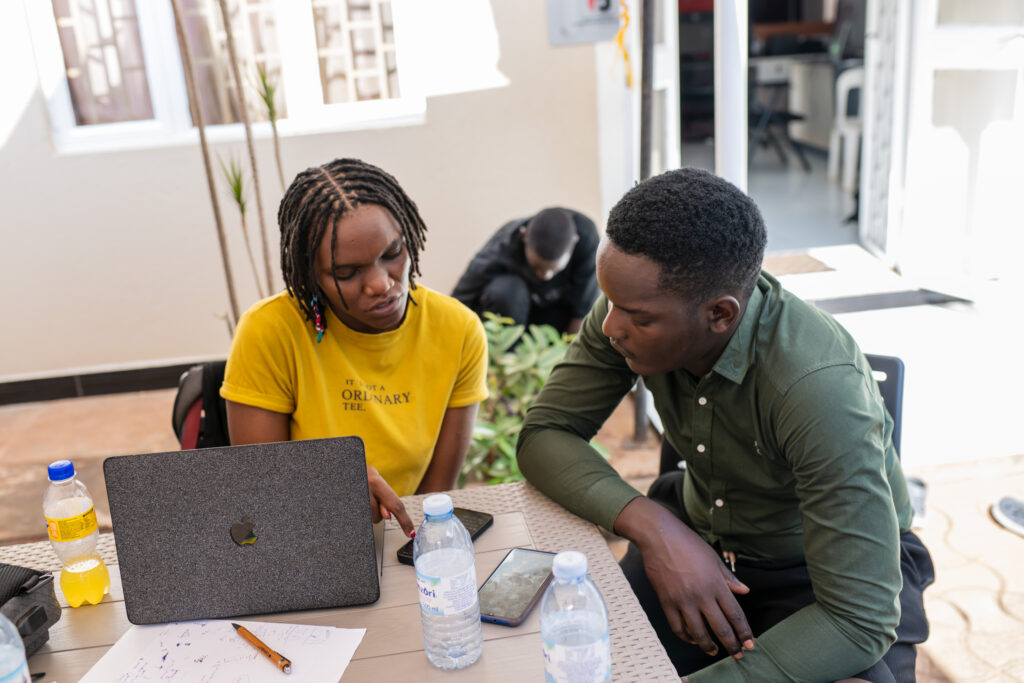
The clinic was designed as a practical support space rather than a theoretical training. Participants were guided through device vulnerability checks, helping them identify weaknesses on their phones, laptops, and desktops that could expose sensitive information or sources. Trainers also supported journalists to set up secure communication tools, ensuring safer ways to communicate with editors, colleagues, and sources.
A key focus of the clinic was building safer digital workflows, especially for journalists covering sensitive stories such as politics, corruption, human rights, and security. Sessions covered malware detection, basic threat awareness, and how to recognize suspicious activity on devices. Journalists also received guidance on antivirus tools, VPN use, and navigating risky or public networks without compromising their safety.
“I now have access to free VPNs that make my communications more secure. I’ve also learned which passwords to use for different devices and the importance of having a password manager.” – Opira Victor,
“As Ukweli Africa, we continue to be committed to the safety and protection of journalists, whether physical or online, and to the mental wellbeing of journalists. Our overall goal is to ensure the safety of reporters in every way possible, and we guarantee to continue doing that,” said Godfrey Badebye, team lead at Ukweli.
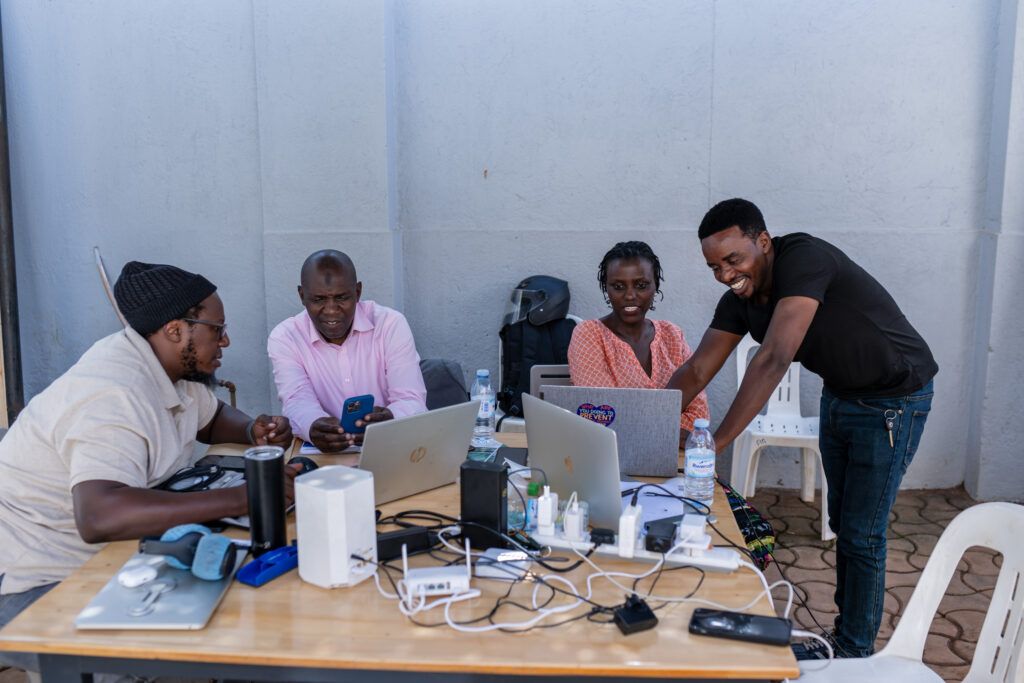
Throughout the two days, participants were encouraged to bring all the devices they use for work. This hands-on approach allowed trainers to offer tailored support, respond to real risks journalists face, and demystify digital security practices that often feel technical or inaccessible.
For Ukweli Africa, the clinic is part of a broader commitment to journalist safety, recognizing that without safety, there can be no independent storytelling. Digital threats are increasingly used to silence journalists, expose sources, and disrupt reporting, making skills like these essential, not optional.
“Without safety, there can be no independent storytelling.”
— Godfrey Badebye, Team Lead, Ukweli Africa
We extend our appreciation to all journalists who took part in the clinic and engaged openly with the process. We also thank CIPESA Uganda for the collaboration and technical expertise that made the clinic possible.
Ukweli Africa hopes to hold more Digital Security Clinics in the future to continue strengthening the digital resilience of journalists across Uganda. When journalists are safer, stories can be told responsibly, courageously, and without fear.