IAWRT Uganda and UNICEF Launch Observatory to Strengthen the Safety of Women Journalists in Africa
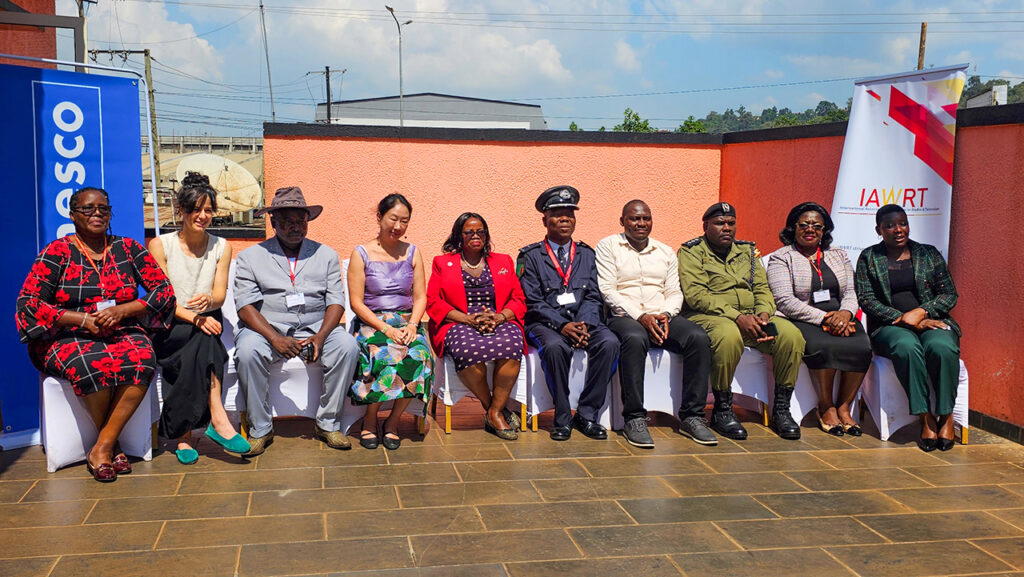
IAWRT team, UNICEF and representatives from the Uganda Police take time for a photo moment
The International Association of Women in Radio and Television Uganda, together with UNICEF, organised the launch of the Observatory for Monitoring and Reporting on the Safety of Journalists in Africa. The event took place in Entebbe as part of the global commemoration of the International Day to End Impunity Against Journalists and placed a strong focus on the safety of women journalists.
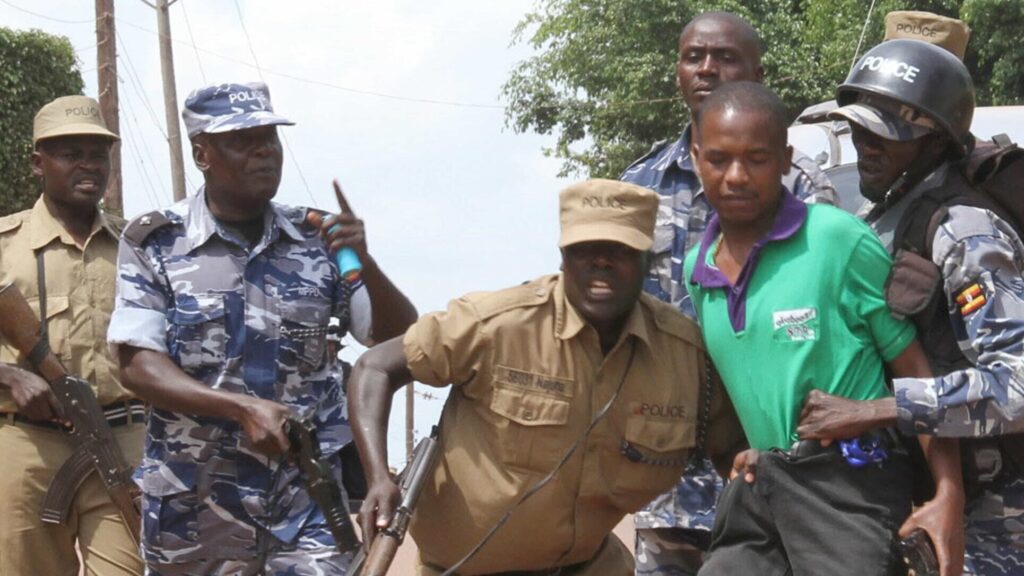
The launch highlighted the rising cases of violence, harassment, and intimidation directed at journalists in Africa. Women continue to face greater risks, including online abuse, physical threats, and discrimination in newsrooms and in the field. Participants called for stronger protection systems, improved documentation of violations, and deeper collaboration between media practitioners, law enforcement, and civil society.
The chief guest was Dr Angela Nakafeero, the Commissioner for Gender and Women Affairs at the Ministry of Gender, Labour and Social Development. She praised IAWRT Uganda and UNICEF for leading an initiative that strengthens the protection of journalists, especially women.
Dr Nakafeero noted that women journalists are experiencing targeted attacks at alarming levels, both online and offline. She pointed out that online abuse, cyber harassment, shaming, and coordinated digital attacks continue to silence many women in the media and affect their mental health and career growth.
She emphasised that Uganda has frameworks to support safety and accountability, including the Data Protection and Privacy Act and other laws that safeguard personal information, communication, and digital spaces. She encouraged journalists to make use of SAUTI, a toll-free reporting platform where cases of violence can be documented and addressed.
“Women journalists must remain visible and continue telling stories that matter. At the same time, institutions must protect them and ensure that no form of abuse goes unnoticed,” she said.
A Regional Push to Improve Monitoring and Response
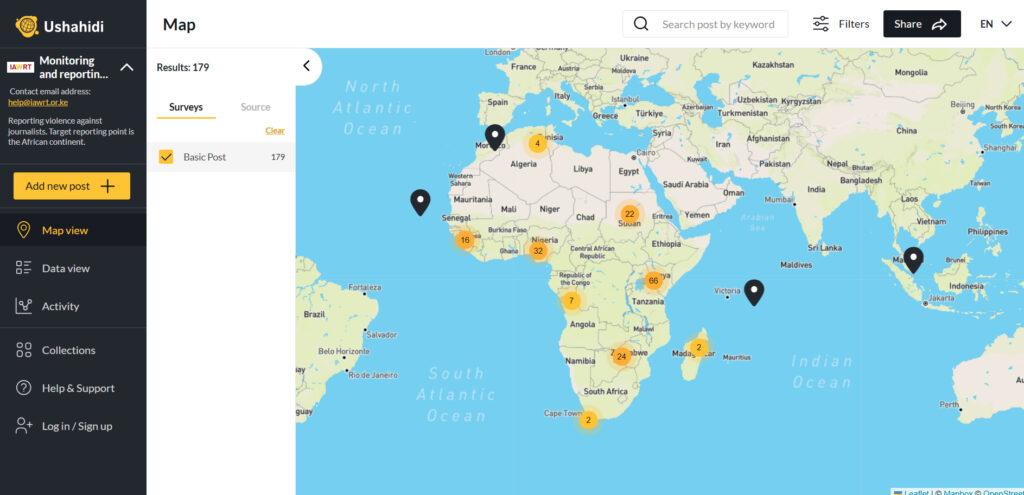
The Observatory is a new platform designed to document and track violations against journalists across Africa. It brings a gender-sensitive approach that prioritises the safety of women journalists and aims to strengthen rapid response when violations occur. Through this system, cases can be mapped, analysed, and shared with relevant actors, including media organisations, legal partners, law enforcement agencies, and regional networks.
During the launch, participants discussed the importance of proper documentation. Many cases affecting women journalists go unreported, which limits the ability of institutions to take action. The Observatory creates an accessible and centralised space for reporting, making it easier for journalists and organisations to follow up with accountability mechanisms.
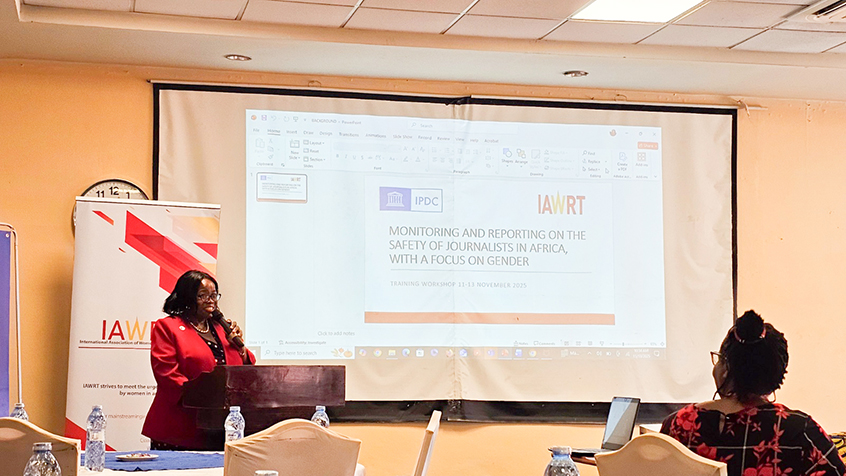
How the Map Works and How Female Journalists Can Report Violations
During the launch, IAWRT Uganda encouraged journalists and partners to make full use of the map whenever a female journalist experiences harassment, threats, or any form of violence. The map is an online reporting platform created to document and respond to violations that specifically target women in the media.
- When a report is submitted, the IAWRT team begins a verification process. This includes confirming that the person attacked is a female journalist, fact checking the incident, and reviewing any evidence provided. The team may also contact the victim or relevant sources to ensure the details are accurate.
- Once a case is verified, it is published on the map. This makes the incident visible to organisations and actors who support the safety of women journalists.
- After verification, the case is forwarded to legal partners who provide legal guidance to the victim. This includes helping them understand their options, the steps they can take, and where they can receive further assistance.
- The map ensures that female journalists are heard, supported, and not left to face violence or intimidation alone. It strengthens documentation, promotes accountability, and helps survivors receive timely legal support.
UNICEF and Partners Reaffirm Support for Journalists’ Safety
Representatives from UNICEF reaffirmed their commitment to supporting the safety and wellbeing of journalists, especially women who continue to face gender-based violence that affects their personal and professional lives. They stressed the importance of supporting national and regional organisations like IAWRT Uganda, which are at the frontline of training, advocacy, and documentation.
IAWRT Uganda noted that partnerships between media groups, government ministries, gender-based violence response teams, and civil society organisations are essential for building a safe environment for women journalists. The launch in Entebbe is part of a broader push to strengthen systems that protect journalists and reduce impunity for crimes committed against them.
A Step Toward Safer Newsrooms and Digital Spaces
The event brought together journalists, media trainers, law enforcement representatives, legal officers, and gender specialists. Discussions focused on strengthening newsroom policies, building safer digital communities, and improving coordination between journalists and the justice system.
Participants emphasized that safety is a shared responsibility. Media houses must invest in protective measures, law enforcement must respond to violations, digital platforms must address online hate, and regional bodies must ensure accountability. The Observatory will help bridge these gaps by providing reliable data and supporting coordinated action.
The Entebbe launch marked an important moment for media freedom advocacy in Uganda and across Africa. By centering the safety of women journalists, the initiative reinforces the message that no story should cost a journalist her life, her dignity, or her mental wellbeing.